
Research Topics
We study how data, technology, and decision-making can accelerate the transition toward smarter, more resilient, and lower-carbon energy systems.
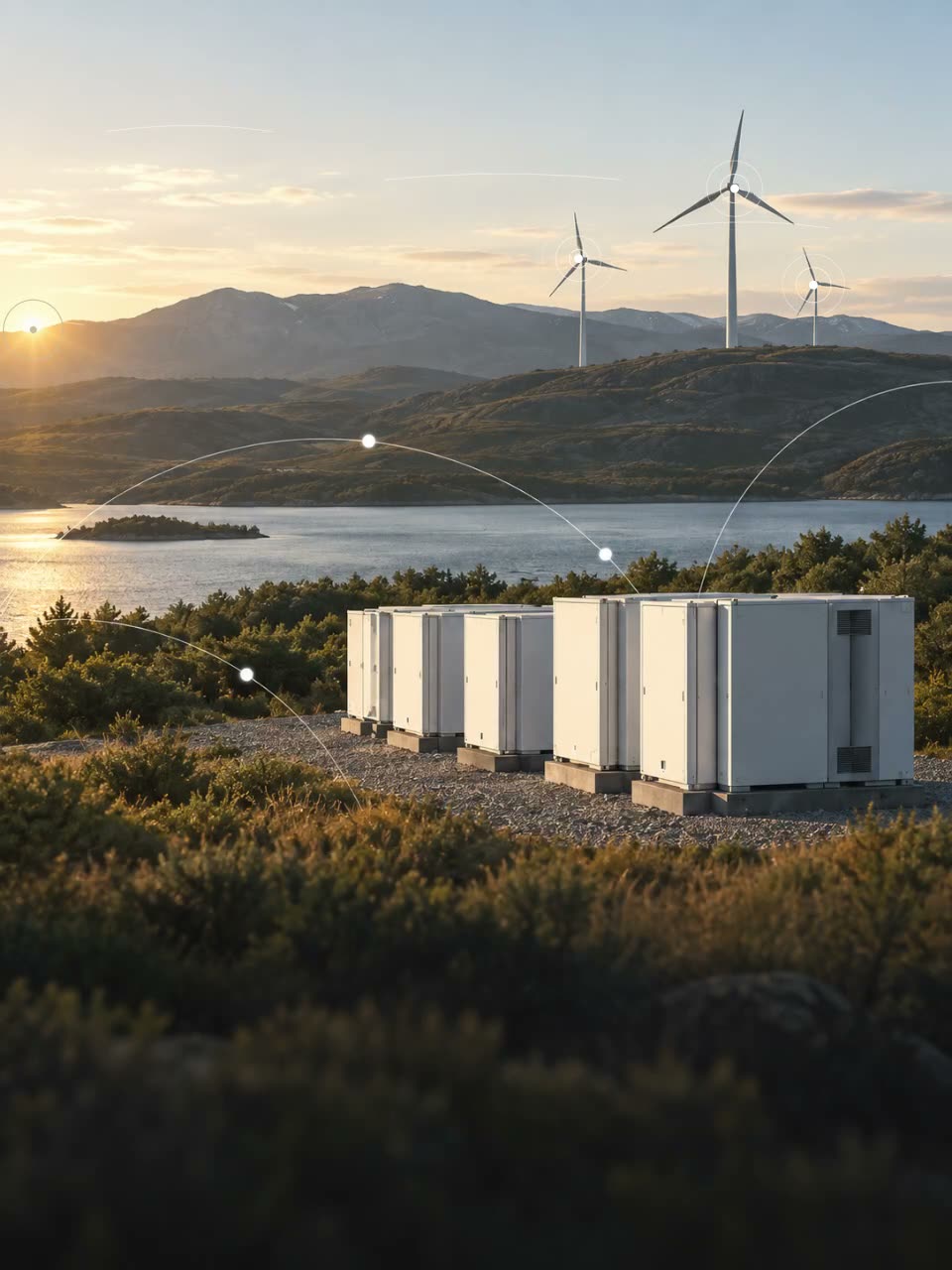
Smart Energy Systems & Grid Resilience
We develop forecasting, planning, and optimization methods to coordinate energy resources—from individual buildings and industrial sites to the wider power grid.
Energy and Demand Forecasting
AI-based forecasting of solar, wind, and electricity demand using satellite imagery, weather data, and probabilistic methods.
Distributed Energy Systems, Microgrids, and Resilience
Planning distributed energy systems and microgrids to balance cost, network constraints, and resilience under extreme events.
Energy Management, Storage, and Flexibility
Optimizing energy storage, V2X, demand response, and multi-site energy resources using real-world operational and market data.
AI Data Centers and Grid Integration
Coordinating AI data centers with low-carbon power, storage, flexible demand, and grid planning to support reliable electricity growth.

Low-Carbon Transport & Supply Chains
We integrate operational data, infrastructure planning, and life-cycle assessment to design lower-carbon transport and logistics systems.
Logistics Network and Operations
Designing logistics networks and transshipment strategies that reduce vehicle use, travel distance, operating costs, and emissions.
Charging and Energy Infrastructure
Planning charging infrastructure for electric fleets and logistics hubs while accounting for operational needs and grid constraints.
Vehicle Routing and Fleet Operations
Optimizing last-mile and cold-chain delivery across routing, time windows, temperature requirements, costs, and emissions.
Sustainable Warehousing and Supply Chains
Assessing how warehousing, digitalization, and operational changes affect energy use and emissions across supply chains.
Alternative Fuels for Shipping and Aviation
Evaluating the life-cycle and economic performance of alternative maritime fuels and sustainable aviation fuel pathways.

Sustainable Energy Decision-Making
We evaluate the environmental, economic, health, and distributional consequences of energy-transition strategies to support investment and policy decisions.
Energy Policy and Transition Pathways
Analyzing energy, transport, and industrial decarbonization pathways through scenario modeling, econometrics, and causal-inference methods.
Carbon, Air Quality, and Public Health
Evaluating how energy and emission scenarios affect carbon emissions, air quality, public health, and the distribution of impacts.
Energy Investment and Green Finance
Examining how investment, financing instruments, and market signals shape renewable energy and low-carbon infrastructure deployment.
Data-Driven Decision Support
Translating energy, economic, and environmental data into actionable insights for industry, government, and society.