
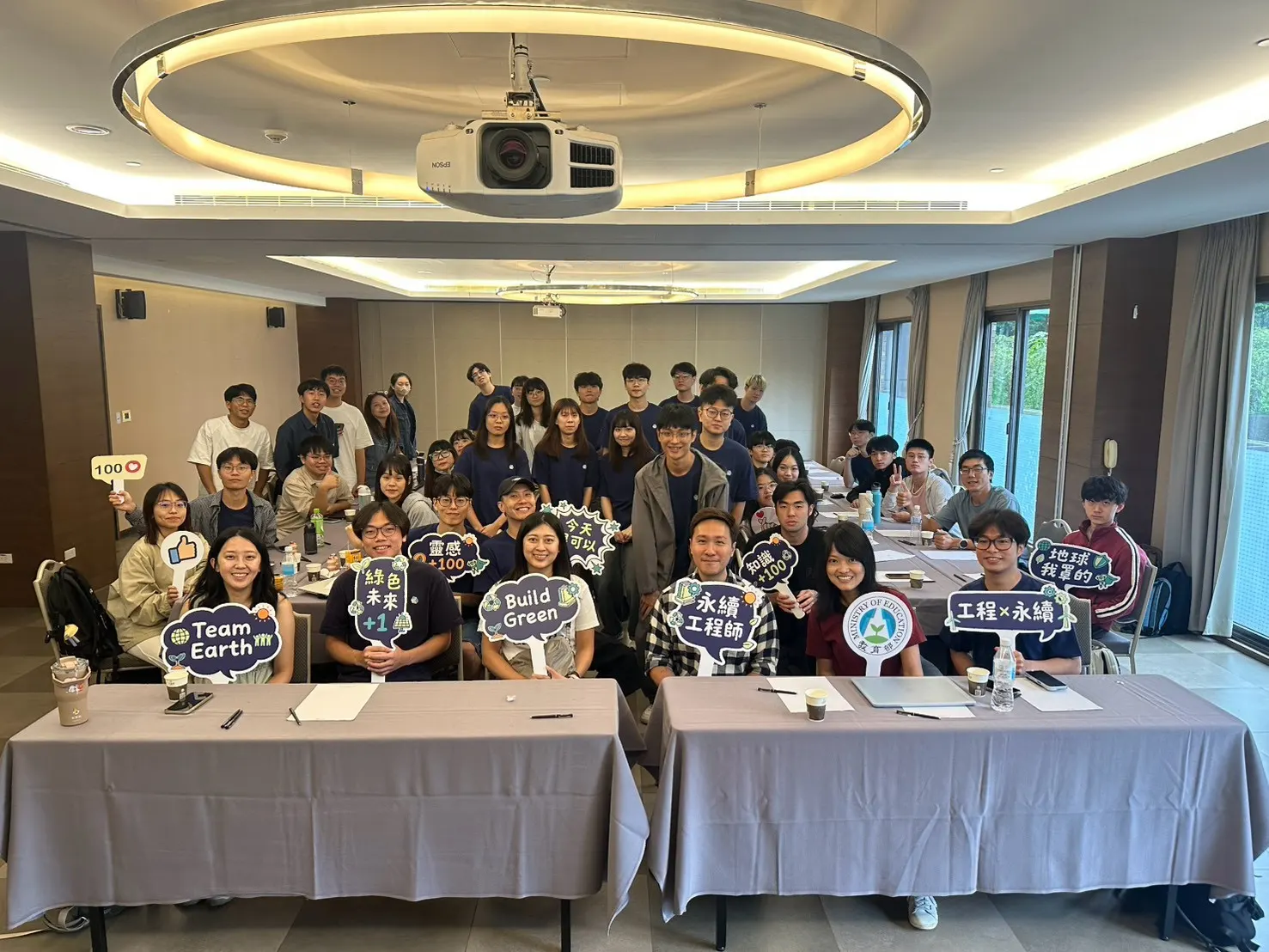
How can a team turn energy data into a working control strategy? From September 4 to 6, 2026, faculty and students at National Taiwan University (NTU) explored that question through the Green Engineering Interdisciplinary Data Science Workshop (綠色工程跨領域資料科學實務工作坊). Combining research sharing, practical instruction, and a two-day energy optimization competition, the workshop gave participants an opportunity to connect engineering concepts with programming and collaborative problem-solving.
The workshop was organized by the Energy × Economics × Environment (E3) Center in NTU’s Department of Civil Engineering, led by Prof. I-Yun Lisa Hsieh. E3 team members Chon Man Tam, Wei-Chun Tseng, and Jian Hern Yeoh co-organized the workshop, planned the agenda and activities, and developed the BEAT platform from scratch. Prof. Chun Fu of the Department of Bioenvironmental Systems Engineering and Prof. Hsin-Tien Lin of the Department of Mechanical Engineering contributed through agenda alignment meetings and student participation from their research groups. The workshop formed part of NTU’s green engineering interdisciplinary micro-course and industry–academia talent development program.
Connecting Energy Research with Practical Decisions
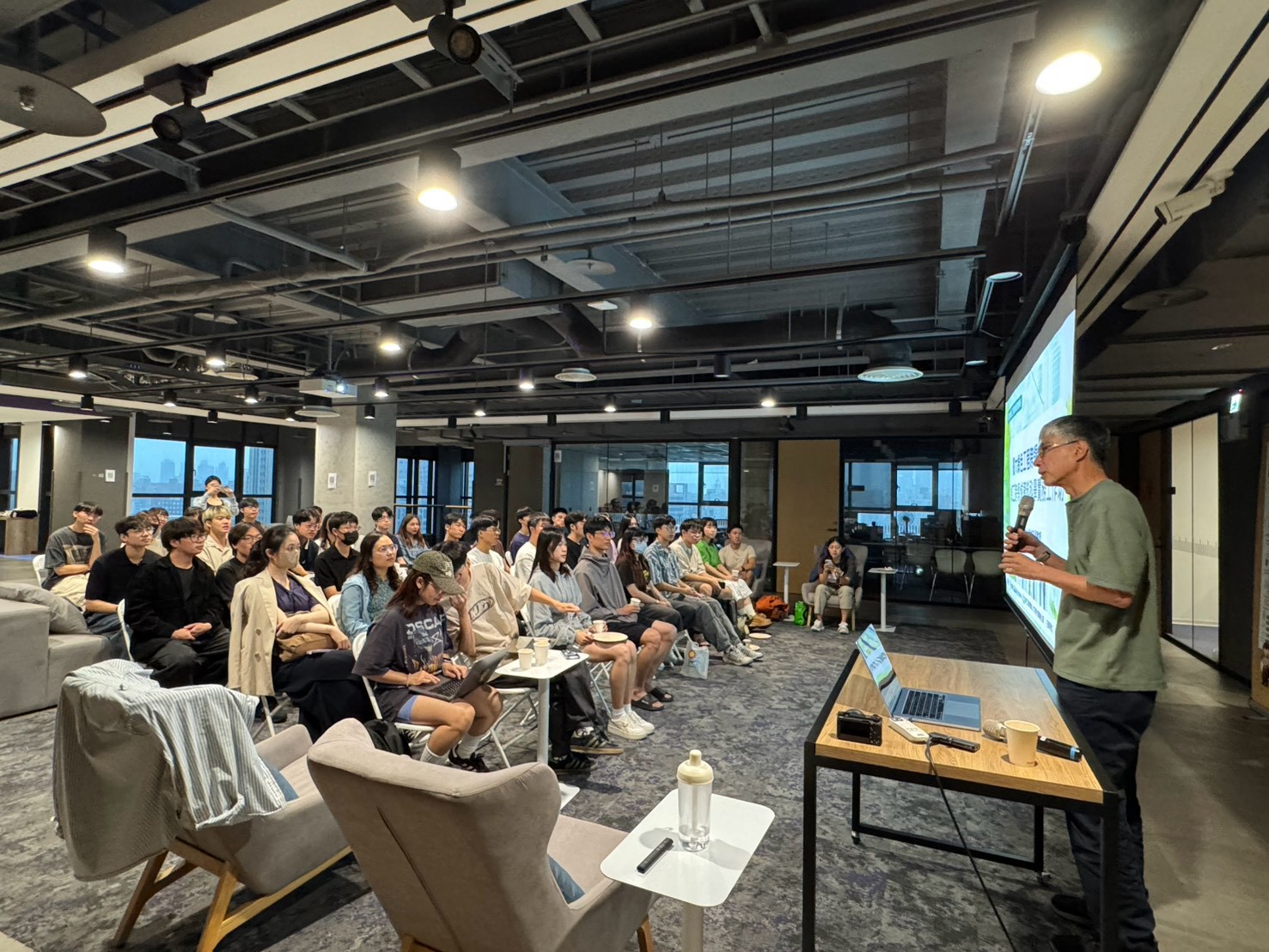
Beginning at the National Center for Research on Earthquake Engineering before continuing at 大板根, the three-day program brought together perspectives from civil engineering, mechanical engineering, and bioenvironmental systems engineering. The agenda connected research on energy storage and building energy efficiency with energy demand and decarbonization strategies, giving participants a shared foundation for the practical challenge.
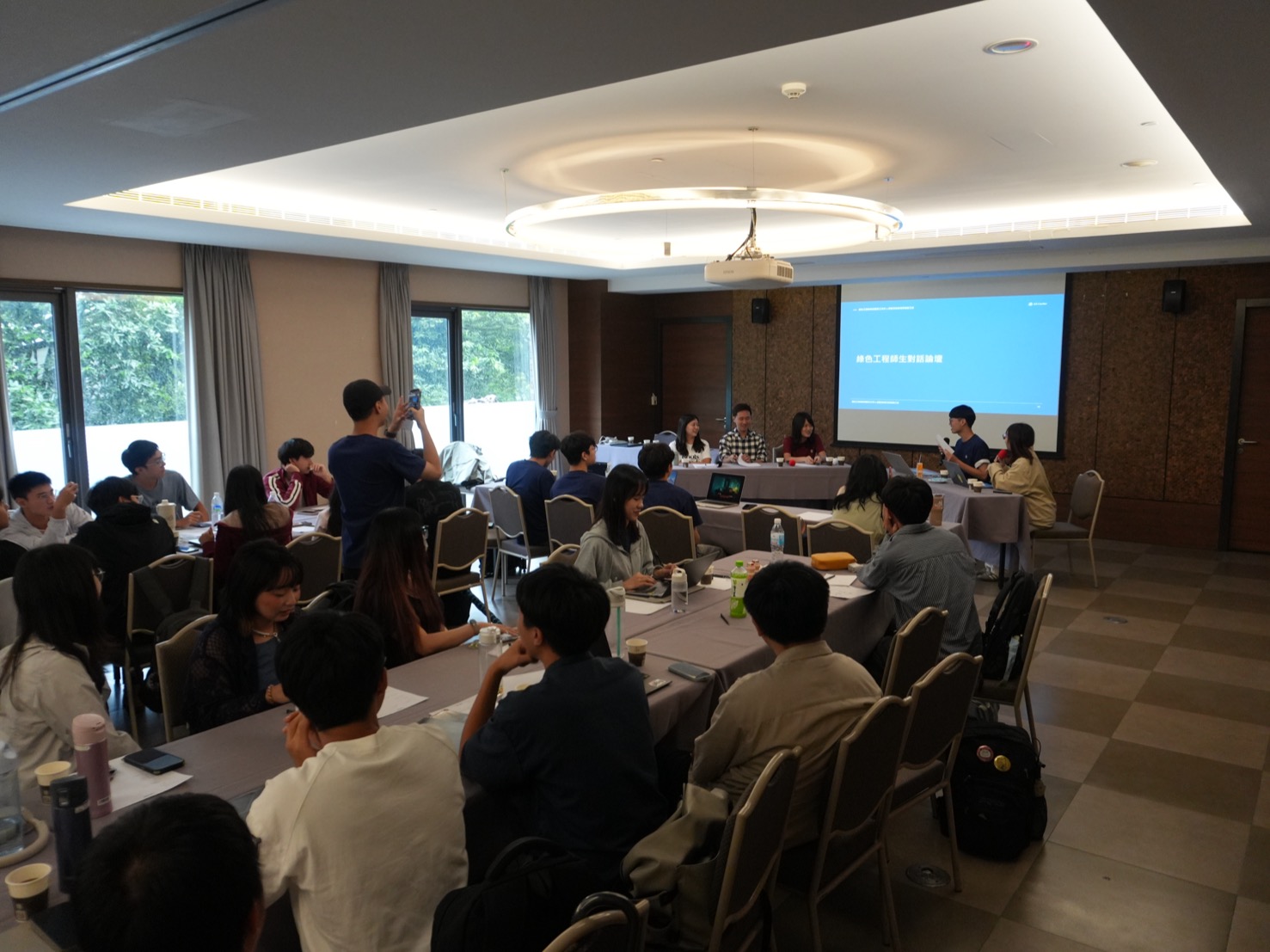
Sessions on Taiwan’s energy mix and electricity system introduced the wider context for energy management. Microgrid concepts, energy forecasting, and scheduling then brought the discussion closer to the decisions a control strategy must make. The program moved from introductions and computer setup into team discussions, storage strategy development, and coding, with time allocated on the final day for energy management prototypes, presentations, and reflection.
From Team Ideas to BEAT Strategies
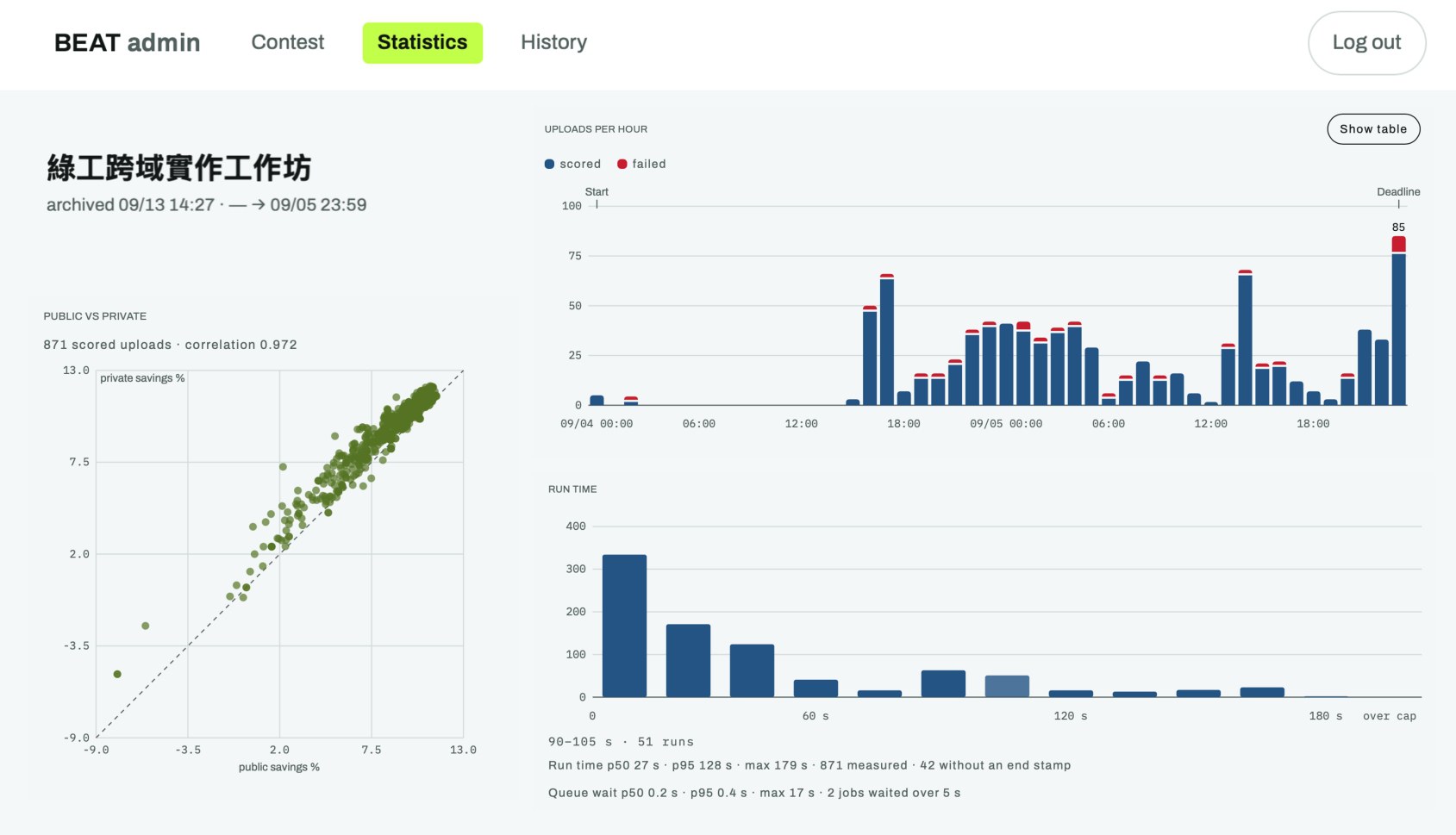
At the heart of the workshop was a two-day competition using BEAT — the Battery Energy Allocation Tournament, a web platform built and maintained by the NTU E3 Center. Teams submitted control strategies and compared their performance, creating opportunities to brainstorm within groups and exchange approaches across teams.
BEAT makes a practical energy management problem accessible through code: a building has rooftop solar and a battery, and a strategy must decide when to charge or discharge that battery. The platform’s public description explains how electricity tariffs and demand charges shape these decisions. Teams write Python strategies that are evaluated against a shared dataset, linking programming choices to the economics of operating an energy system.
For participants, the competition offered a concrete reason to engage with real data and a shared project. Ideas had to take the form of a submitted strategy, while comparison and discussion gave teams a way to learn from one another. As Prof. Fu reflected in his post after the event, the combination of group brainstorming and sharing results made the challenge an engaging practical experience.
Learning Together, Beyond the Workshop Room
The setting also gave faculty and students time to connect outside the formal sessions. Between workshop activities, participants enjoyed the forest trails, hot springs, and hotel facilities — a relaxed counterpart to the focused work of developing strategies.
Special thanks go to Chon Man Tam, Wei-Chun Tseng, and Jian Hern Yeoh for their work in bringing the workshop and BEAT platform to life. The E3 Center also thanks Prof. Chun Fu and Prof. Hsin-Tien Lin for helping align the agenda and encouraging their students to participate.
Thank you also to all participating students for bringing their ideas and energy to the workshop. By bringing energy research, data science, and teamwork into one shared challenge, the workshop offered a practical model for interdisciplinary green engineering education: learn the system, develop an approach, and share what the experience reveals.